Agroecology is a holistic approach to agriculture and food systems that combines ecological science, practical knowledge and questions of social organisation.
Science, practices and social transformation
The Food and Agriculture Organization of the United Nations (FAO) defines agroecology as an integrated approach applying ecological and social concepts and principles to the design and management of sustainable agriculture and food systems. Its purpose is not to impose one universal recipe, but to improve the relationships among plants, animals, people and their environment in a specific territory.
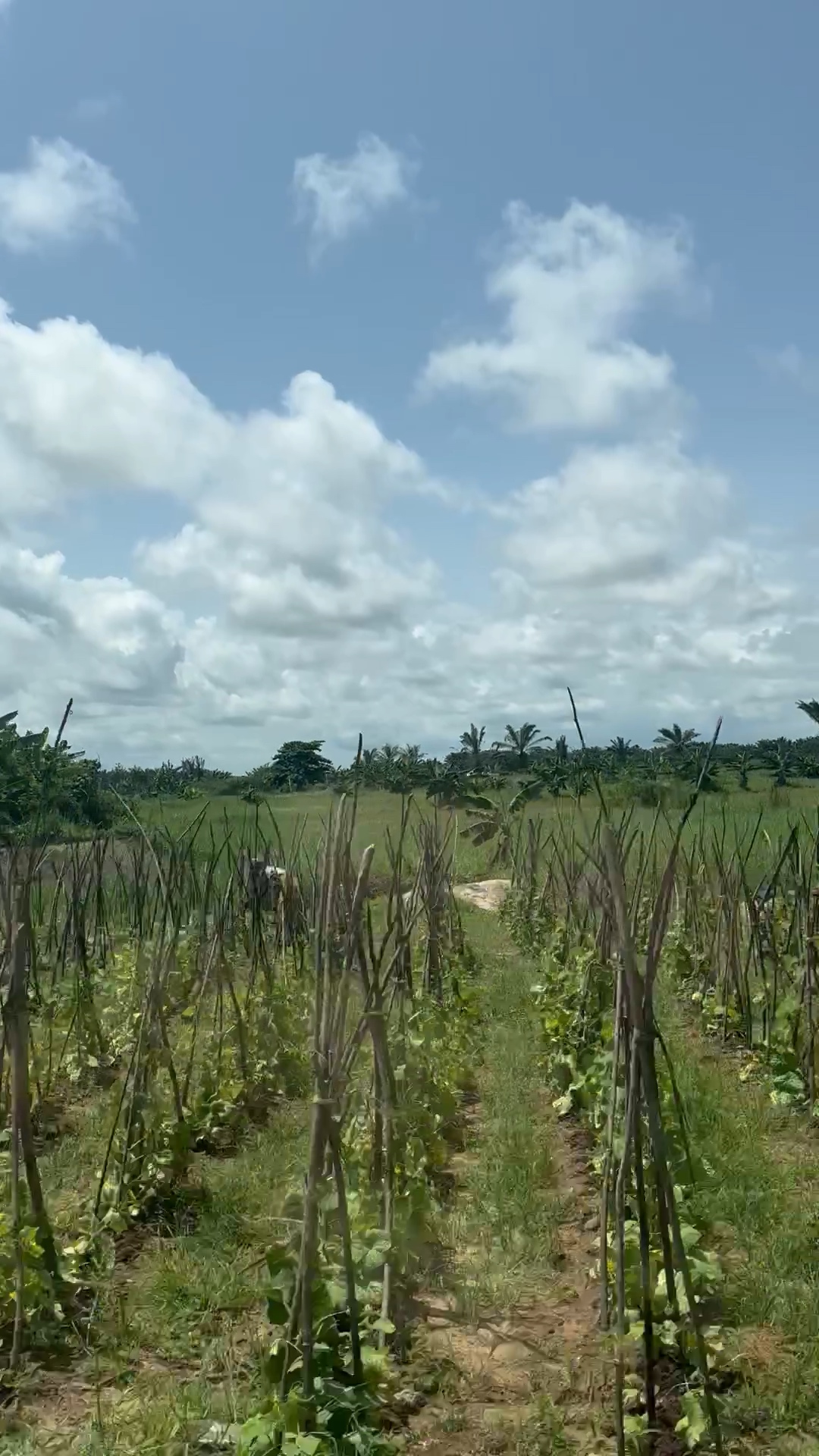
Agroecology can be understood simultaneously as a scientific field, a set of practices and a process of social change. On farms and landscapes, it may involve crop diversity, agroforestry, rotations, recycling of biomass and nutrients, biological regulation, soil-cover management or crop–livestock integration. Techniques alone are not enough: knowledge sharing, cultural food traditions, equity, governance and economic relations also shape a transition.
Ten interdependent elements
FAO organises this complexity through ten elements: diversity, synergies, efficiency, recycling, resilience, co-creation and sharing of knowledge, human and social values, culture and food traditions, responsible governance, and circular and solidarity economy. They form a guide for diagnosis and action—not a simple certification checklist.
Agroecology must therefore not be confused with a single production label. A useful practice does not automatically make an entire system agroecological. Conversely, a technically efficient intervention can undermine a transition if it concentrates control, excludes local knowledge or shifts environmental costs elsewhere.
What this means for Metraltus
For Metraltus, agroecology provides both scientific criteria and a warning against decontextualised data. Digital tools should help document diversity, interactions, uncertainty and local knowledge. Evaluation must include who benefits, who controls the data, and whether the system becomes more resilient and equitable—not only whether a model predicts yield accurately.
References
FAO, What is agroecology? and The 10 Elements of Agroecology.
Leave a Reply